
One Foot in the Pool
A clip from my recent conversation with former NHLer Aaron Volpatti made a few waves on social media, and the resulting debate deserves some context and nuanced discussion.
During our discussion about youth sports, Volpatti recounted a story from his son’s hockey tournament this past season.
“This year we went to a tournament in Calgary and listen, the coaches and everyone, they’re just trying their best and that's not to like harp on them or anything, but the kids had a ‘No Pool’ rule at this tournament between games,” Volpatti explained.
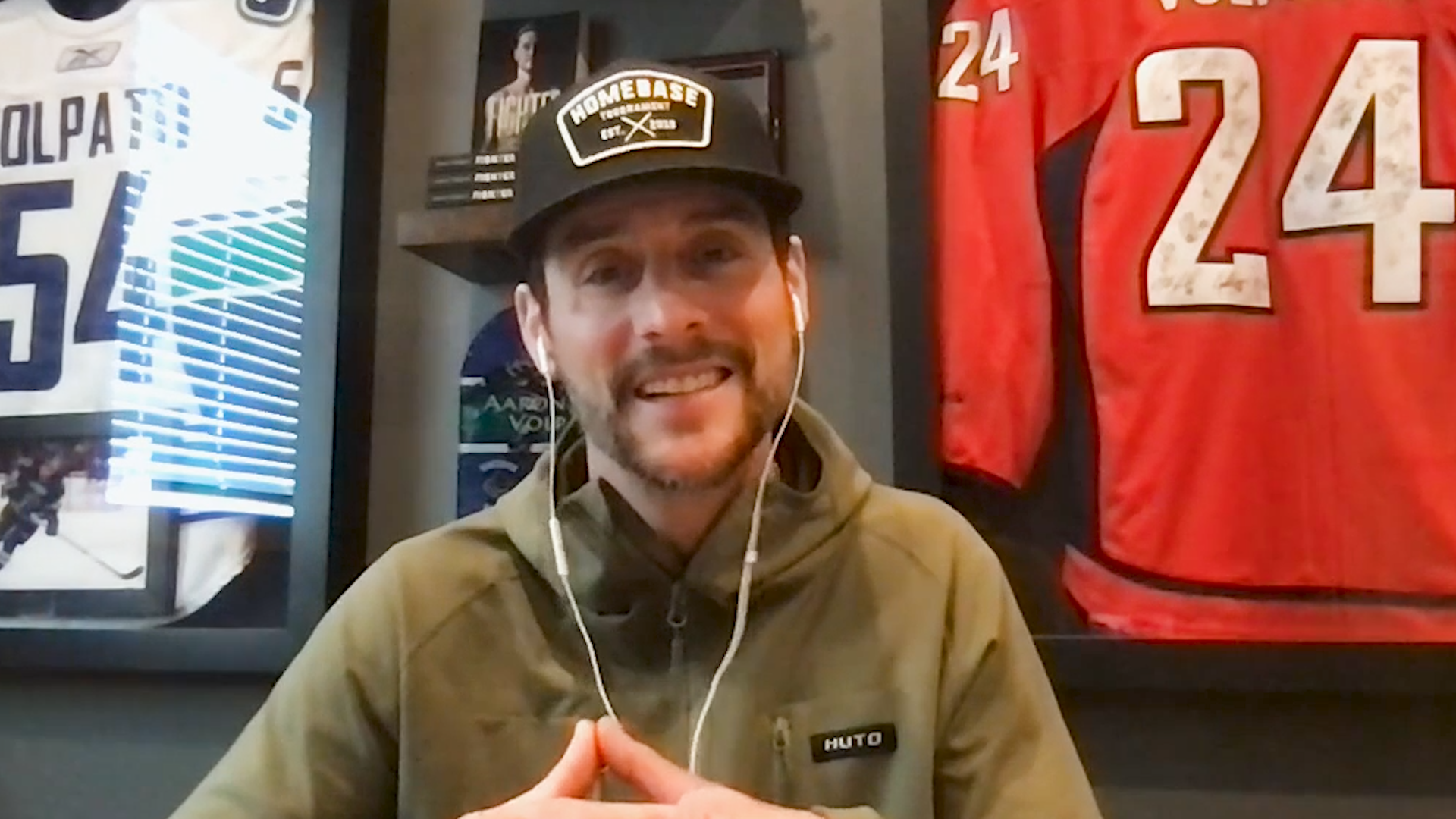
Aaron Volpatti during his appearance on Better Sports Parents
“And I was kind of like, I feel like that's a miss, you know? Like, the kids are 10, man. I think if I was coaching, I'd be like mandatory team pool. I don't care if you guys lose 20 to nothing. Because I was having this conversation with my buddy whose kid’s on the team, and I played junior with him and he played pro. And we're just like, ‘Do you remember one game in your childhood?’ And you're like, ‘Nope. Can't think I can't say I do.’ It's like, no, you remember being in the pool, right?”
His story brought a couple of issues to the forefront for many hockey and sports parents alike:
What is the balance between competing and having fun in youth sports? And at what age does the balance shift for those who’ve chosen more competitive pathways?
Different Strokes for Different Folks
Not surprisingly, there were arguments made on both sides of Volpatti’s story. Most of the comments were supportive of Volpatti’s stance that 10 year-old kids should have the freedom to play and enjoy the hotel pool in between games, but there was respectful (for the most part) pushback from those who felt the coaches did the right thing.
“If this is a Rep team, this is all part of the learning and development phase.”
“Pool after the game. It’s an energy thing. Especially when they’re younger. It’s not hard to understand.”
“You’re teaching a life skill about preparation. No pool before games is not no pool at all. Youth sports is about teaching life skills and having fun.”
All of these are reasonable arguments against the “Let the kids be kids” opinion Volpatti shared during our conversation, and they lead us back to a question central to the debate.
As parents and coaches, what are our expectations of a successful tournament?
The Judges’ Scorecards
Based on the organic back-and-forth that emerged and my own experience around youth sports, the answer is dictated far more by results for some people than others. To me, that’s a slippery slope to go down when we’re talking about 10 year-olds. How far do we take the idea of “we’re here to compete” with young kids?
If coaches – not parents – are imposing restrictions on activities between games, is it also reasonable to restrict what kids are eating? Should some time be devoted to strategy for the next game, perhaps some video breakdown, if we have a read on what the opposition’s strengths and weaknesses are?
Yes, these hypothetical questions are intentionally exaggerated and for most, though I fear not all, they will read as completely unreasonable. Most people, regardless of what side of this debate they fall on, can see a clear distinction between what professionals do to prepare themselves and what children should do. But the reality is we have gradually incorporated elements of the pro game into youth sports, and it seems as though many of them are filtering down into younger environments every year.
Into the Deep End
It’s not because most kids are demanding more structured sessions at the ages of 8, 9 or 10. It’s because adults have decided to accelerate development with training that used to be reserved for teenagers who were talented enough and more importantly, self-motivated to pursue high performance sport.
Some of that is coaches offering the opportunity for improved performance. Some of it is parents seeking the best resources for either maximizing perceived potential or trying to keep pace with other kids or teams. Too often, someone other than the child is driving the bus according to Rick Celebrini, father of NHL wunderkind Macklin Celebrini and Vice President of Player Health and Performance for the Golden State Warriors.
“It's something that is so prevalent right now in today's sport. And you can see it in the kid's face. I remember an old hockey coach sitting down with me, and he said, ‘Rick, the most talented player at 15, 16 years old in junior, if you look in their eyes and they have dead eyes’ that's the term he used, ‘if they have dead eyes, they're done’.”
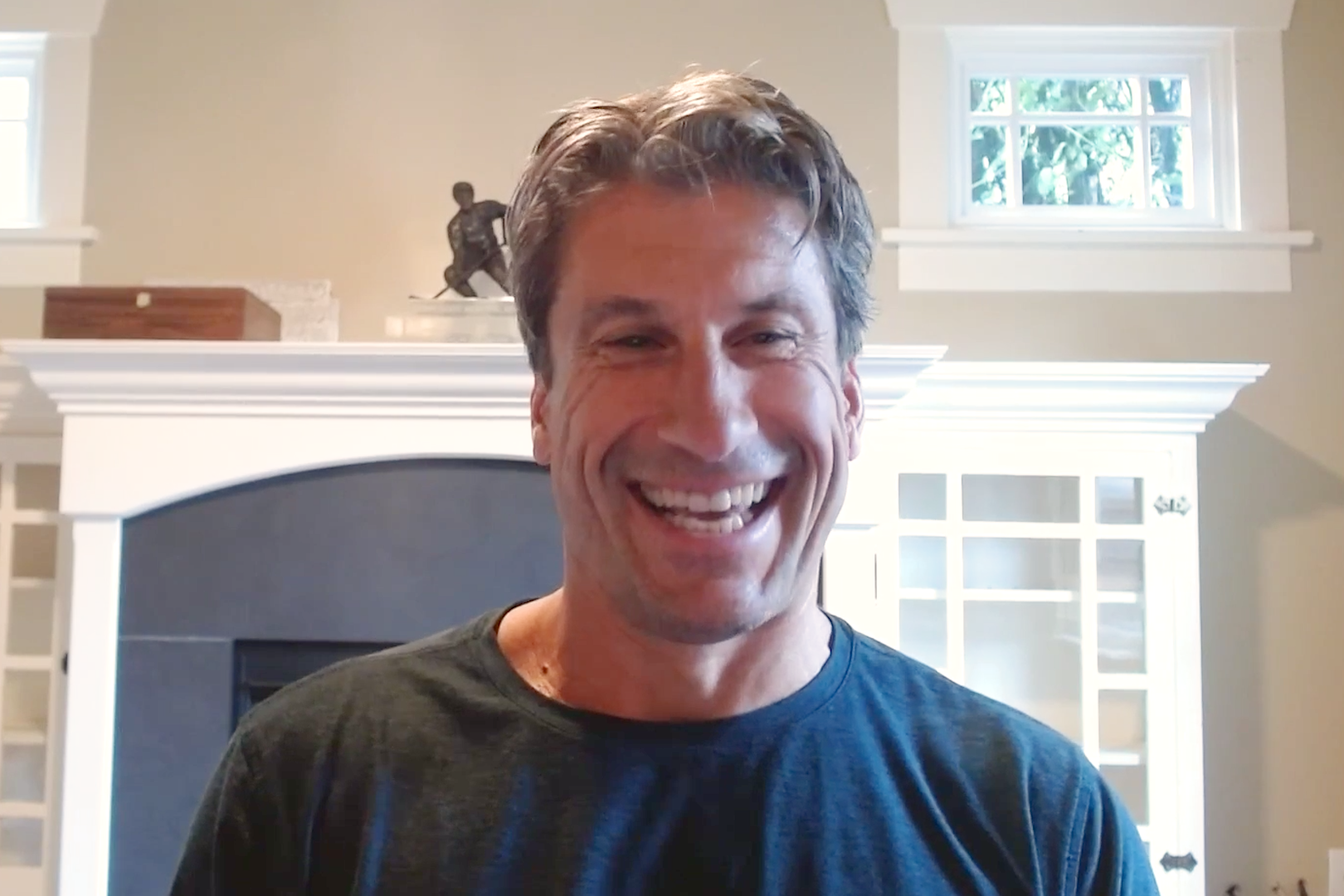
Rick Celebrini shares a laugh while recording Better Sports Parents
Rick watched Macklin and his oldest son Aidan, a Vancouver Canucks draft pick, develop alongside other talented young players, and unfortunately, he witnessed firsthand what that old hockey coach was telling him.
“I know now what he was talking about because I've seen those kids… extremely precocious and advanced and pushed hard and they're not playing hockey anymore. They're not. And that's a reality of it. And it's too bad because there's some kids that I think about right now specifically that, unfortunately, they were very talented but didn't have the right environment to really sort of foster that.”
Adult Supervision Required?
Does a ‘No Pool’ rule in between games for 10 year-olds at a tournament mean that all of the kids on that team are going to burn out? Of course not. The real concern is the underlying motivation for such a rule and others that quickly accompany it so early in the youth sports environment. Because make no mistake, such rules are made with performance and results in mind.
For kids who have the requisite skill level and motivation to pursue true high performance sport, the environment inevitably gets serious once they get to that stage. While there are the rare outliers in every discipline, the U11 category of sport is not high performance. If we know from scientific data that nearly 90% of top-level youth athletes are different people than those who become top-level adult athletes, why are we trying to insert more aspects of the professional sports environment into youth sport at such ages?
This is the point at the heart of Volpatti’s story.
“At what cost are we willing to sacrifice our kids' childhood?” he asks. “Like that's the biggest question I think might need to be talked about. What's the cost? It's very high. How many kids play pro hockey? Like one in thousands? I don't even know the number. So, if that's what it is, let's ask ourselves like at what cost are we willing to like say ‘no pool’ rule at the tournament? Like to me, that's crazy.”
No one is in favour of dismissing or diminishing a child’s dream; they should dream and they should dream big even though the odds of playing professional sports are extremely long. For those who will pursue that dream, there is plenty of time to learn about what it requires to get there.
Childhood is fleeting. Let the kids be kids.
